Our Therapies
- Evidence-Informed Traditional Chinese Medicine
Experience a holistic approach to health with therapies rooted in centuries of tradition and supported by modern clinical research. Each therapy is personalised to your needs, promoting balance, vitality, and overall wellbeing.
Acupuncture
A Clinically Recognised Therapy
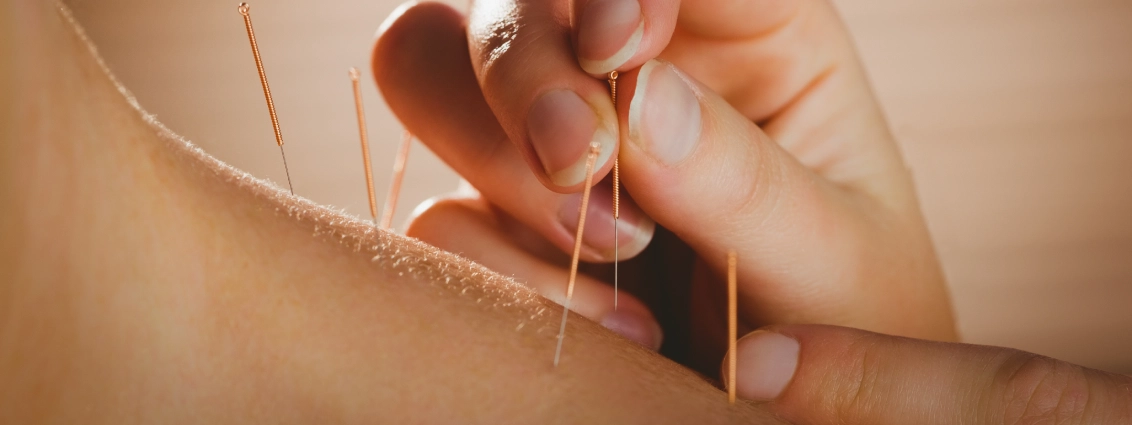
Acupuncture is one of the primary therapeutic modalities of Traditional Chinese Medicine (TCM), with a continuous history of practice extending back over 2,000 years. It involves the insertion of extremely fine, sterile, single-use needles into specific anatomical sites, known as acupuncture points, which are located along pathways traditionally referred to as meridians.
In TCM, health is understood as the result of balanced and unobstructed flow of Qi (vital energy) and Blood. Acupuncture is used to regulate this flow, harmonise Yin and Yang, and restore functional balance across the organ systems.
In recent decades, acupuncture has also been extensively studied within biomedical frameworks. A growing body of clinical research supports its effectiveness in a range of conditions, particularly in the management of pain and stress-related disorders.
How Acupuncture Works
Traditional Chinese Medicine Perspective
-
Regulates the circulation of Qi and Blood.
-
Harmonises Yin and Yang within the body.
-
Treats both the underlying cause of illness (root) and the presenting symptoms (branch).
Biomedical Perspective
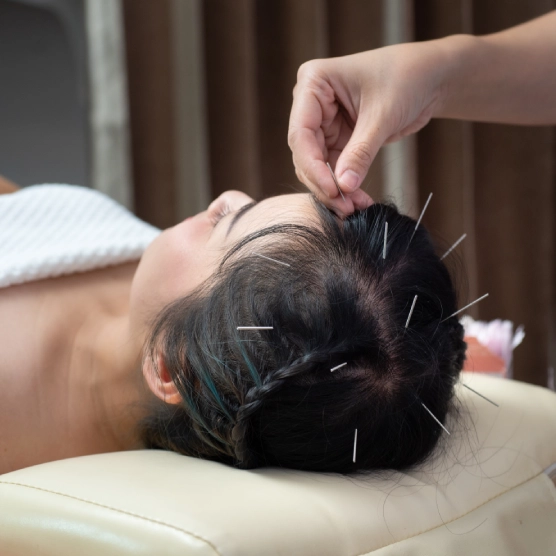
Scientific studies suggest several mechanisms that may explain the therapeutic effects of acupuncture:
Neurological effects
Stimulation of sensory nerves influences both central and peripheral nervous system activity.
Neurochemical modulation
Needle insertion has been shown to promote the release of endorphins, serotonin, dopamine, and cortisol regulation.
Circulatory and local effects
Increased blood flow and reduction of inflammatory mediators at the site of treatment.
Pain modulation
Activation of descending pain-inhibitory pathways alters pain perception within the brain.
Clinical Applications

Acupuncture is widely used as an integrative therapy and has been shown to benefit a range of health concerns, including:
- Pain management: chronic low back pain, osteoarthritis, neck and shoulder pain, headaches, and migraines.
- Neurological conditions: peripheral neuropathy, post-stroke rehabilitation.
- Mental health and wellbeing: stress, anxiety, depression, and insomnia.
- Women’s health: menstrual disorders, fertility support, pregnancy-related symptoms, and menopause care.
- Digestive health: irritable bowel syndrome (IBS), nausea, and functional dyspepsia.
- Respiratory health: allergic rhinitis, sinusitis, and asthma.
Clinical outcomes vary between individuals. Acupuncture is generally considered safe when performed by a qualified practitioner.
What to Expect During Treatment
Initial Consultation
A detailed health history and physical assessment are conducted, drawing upon both TCM diagnostics and relevant biomedical information.
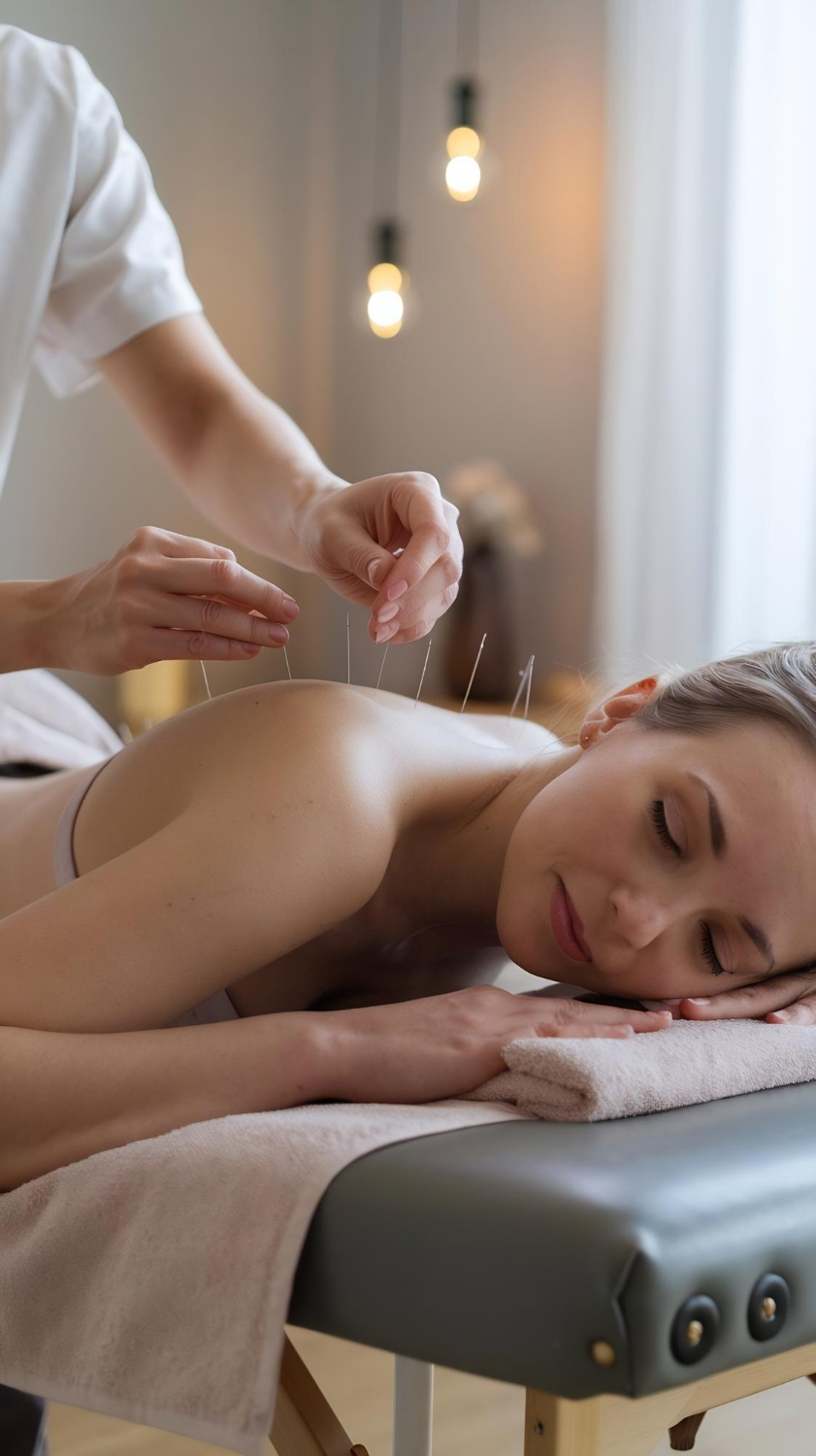
Needle Placement
Fine, sterile, single-use needles are inserted at selected acupuncture points. Patients may feel a mild tingling, heaviness, or warmth — a sensation known as De Qi, which indicates therapeutic activation.
Treatment Duration
Needles are typically retained for 20–40 minutes.
Treatment Course
Acute conditions may respond within 1–2 sessions, while chronic or complex conditions often benefit from a series of treatments.
Safety and Professional Standards
-
Only sterile, single-use, disposable needles are used.
-
Acupuncture is considered safe when administered by trained practitioners.
-
Adverse events are rare and usually minor (e.g., temporary soreness, mild bruising, or slight bleeding).
Research and Recognition
- The WHO recognises acupuncture as an effective treatment for a number of conditions, particularly pain-related disorders.
- The National Institutes of Health (NIH) and multiple Cochrane reviews have reported positive evidence for acupuncture in areas such as chronic pain, migraine prevention, and postoperative nausea.
- Research is ongoing to better understand the mechanisms of acupuncture and to expand its applications within modern healthcare.
Cupping Therapy
Traditional Healing Supported by Clinical Research
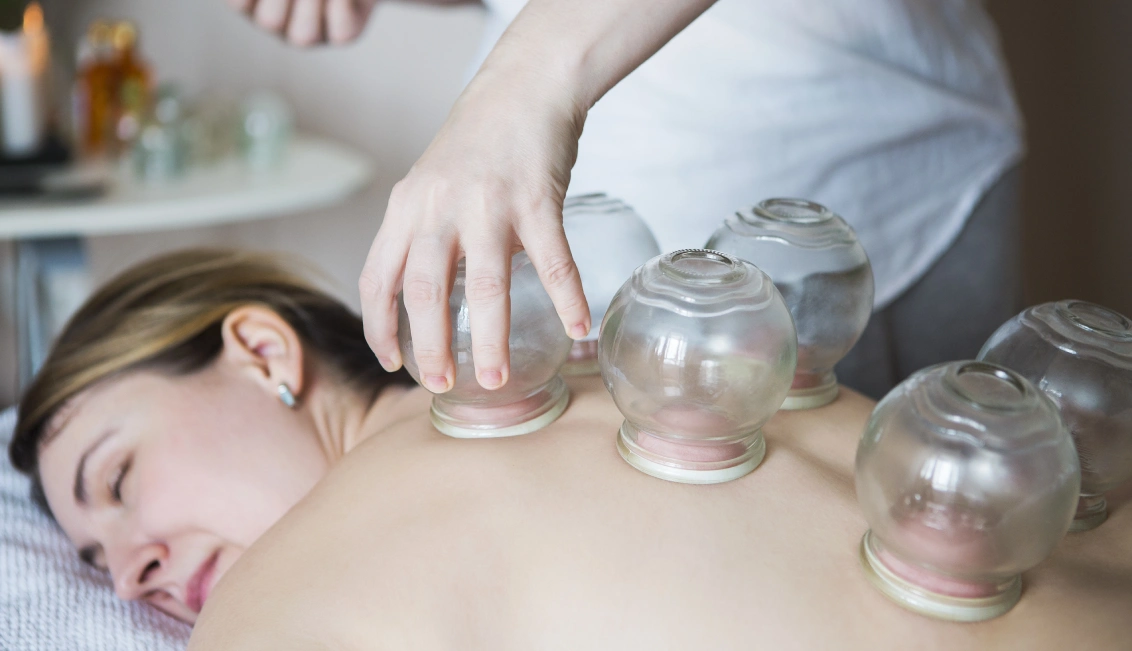
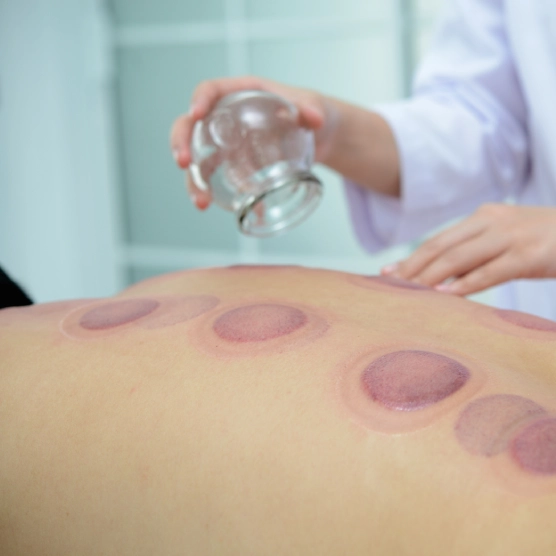
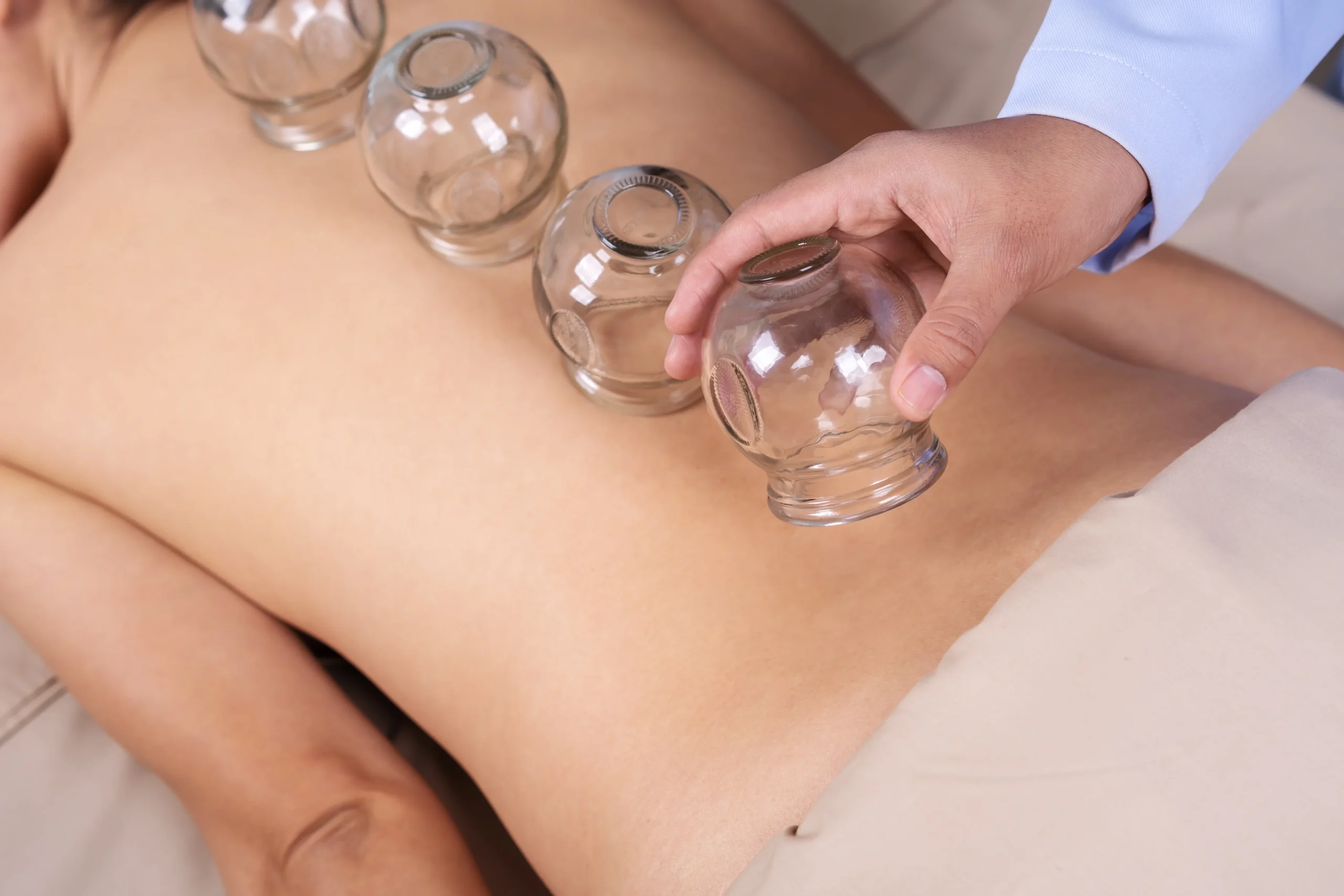
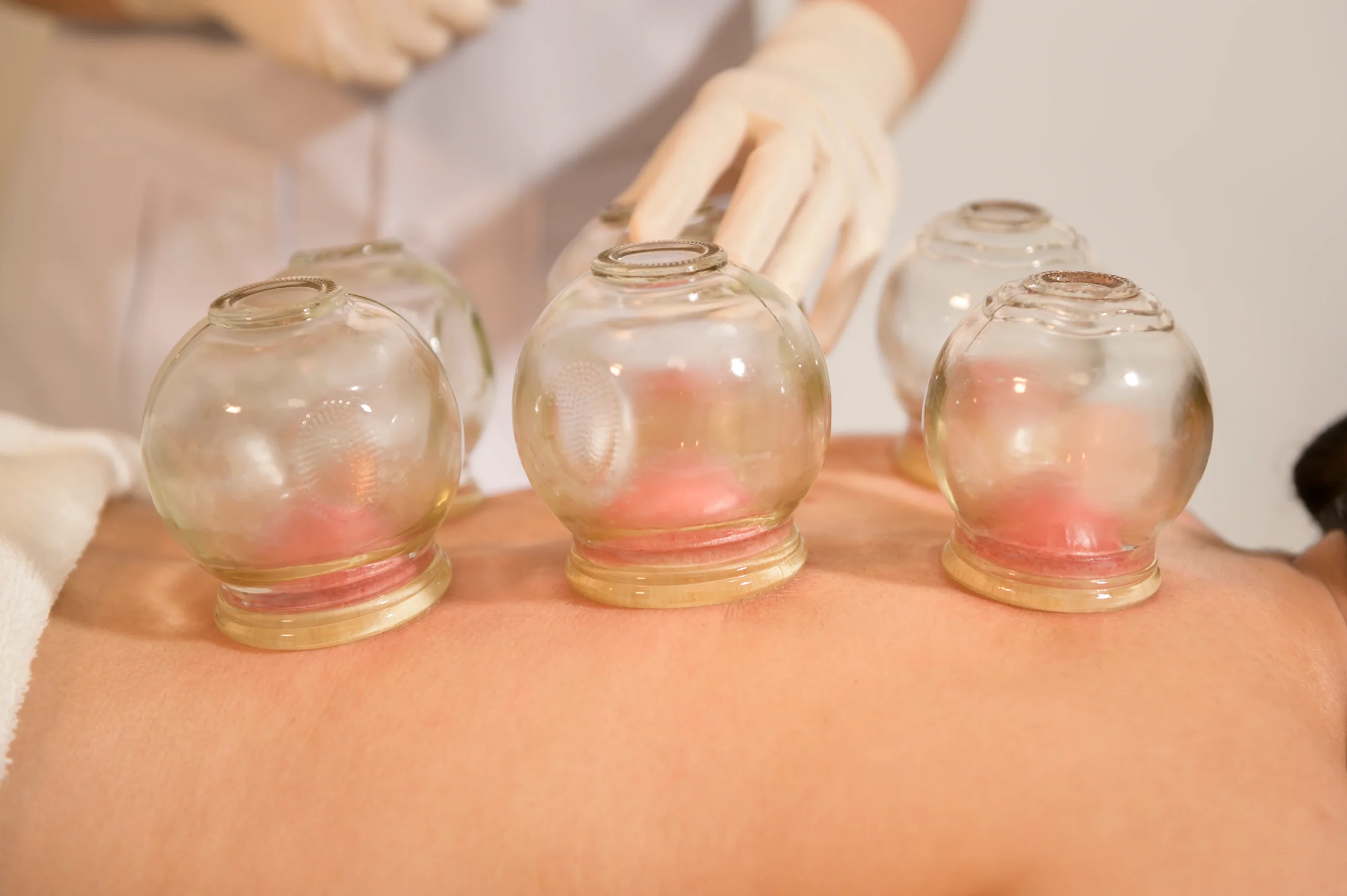
Cupping therapy is a key modality within Traditional Chinese Medicine (TCM) that has been used for centuries to enhance circulation, relieve muscle tension, and promote systemic balance. The therapy involves the application of suction to the skin using cups, which creates negative pressure to stimulate blood flow and facilitate the movement of Qi and Blood.
Modern research provides insight into the physiological effects of cupping, bridging traditional practice with contemporary scientific understanding.
Mechanisms of Action
Traditional Chinese Medicine Perspective
-
Moves stagnant Qi and Blood to relieve blockages.
-
Reduces internal heat or damp accumulation that may contribute to pain or discomfort.
-
Balances organ systems by restoring the flow of energy along the meridians.
Biomedical Perspective
Circulatory effects
Increases local microcirculation, improves oxygenation, and promotes tissue repair.
Neurological effects
Stimulates sensory nerves, modulating pain perception through the central and peripheral nervous systems.
Musculoskeletal effects
Reduces muscle stiffness and enhances range of motion.
Immune modulation
May influence the activity of immune cells and inflammatory mediators.
Clinical Applications
Cupping therapy is used to support a range of conditions, including:
- Pain management: chronic back, neck, and shoulder pain, musculoskeletal stiffness
- Neuromuscular health: tension, spasms, and post-exercise recovery
- Stress and fatigue: promotes relaxation and mental clarity
- Respiratory conditions: asthma, bronchitis, and allergic rhinitis
- Circulatory and detoxification support
Clinical outcomes vary by individual. Cupping should be administered by a qualified practitioner and may be integrated with other TCM therapies for optimal results.
What to Expect During a Session
Technique
Cups are placed on targeted areas of the body using either static or sliding methods to create controlled suction.
Sensation
Most patients feel a mild pulling or warmth under the cups, which is generally relaxing.
Marks
Temporary circular marks may appear on the skin due to increased local blood flow. These are typically harmless and fade within a few days.
Duration
Sessions usually last 20–30 minutes, depending on treatment goals.
Safety Considerations
-
Cupping should only be performed by trained practitioners to minimize the risk of adverse effects.
-
Adverse events are rare and generally mild (temporary redness, minor bruising, or mild soreness).
-
Special care is taken for patients with sensitive skin, bleeding disorders, or cardiovascular conditions.
Research and Recognition
- Clinical studies indicate cupping can be effective for musculoskeletal pain, tension, and certain respiratory conditions.
- Research highlights its role in increasing circulation, reducing inflammation, and supporting relaxation.
- Ongoing studies are exploring the mechanisms of action and optimal integration of cupping with other TCM therapies.
Moxibustion

Traditional Healing Supported by Clinical Research
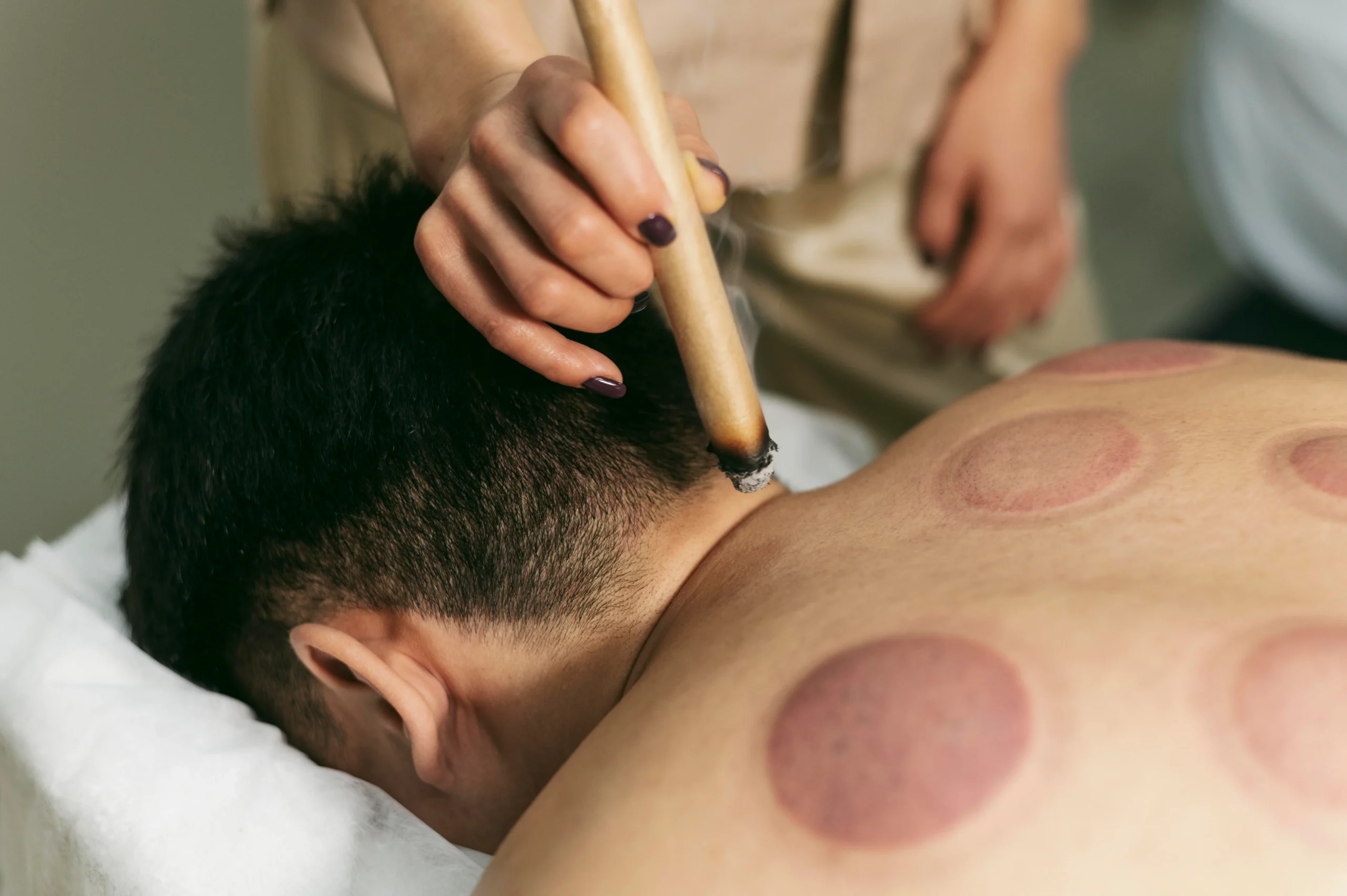
Moxibustion is a therapeutic technique within Traditional Chinese Medicine (TCM) that involves the application of heat to specific acupuncture points or areas of the body using dried mugwort (Artemisia vulgaris). It has been used for centuries to stimulate circulation, strengthen the body’s Qi and Yang, and support overall health.
While rooted in traditional theory, moxibustion has been the subject of increasing scientific investigation, providing insight into its physiological effects and clinical applications.
How Moxibustion Works
Traditional Chinese Medicine Perspective
-
Strengthens Yang energy and dispels cold or damp stagnation in the body.
-
Enhances the flow of Qi and Blood along meridians.
-
Supports the function of the organ systems and restores systemic balance.
-
Often used to prevent disease and maintain health, in addition to treating existing conditions.
Biomedical Perspective
Modern studies suggest that moxibustion may:
- Increase local microcirculation and blood flow, enhancing tissue oxygenation.
- Stimulate the nervous system, modulating pain perception and promoting relaxation.
- Influence immune function, including the activation of white blood cells and other immune mediators.
- Produce mild thermal effects that can reduce muscle tension and promote tissue repair.
Clinical Applications
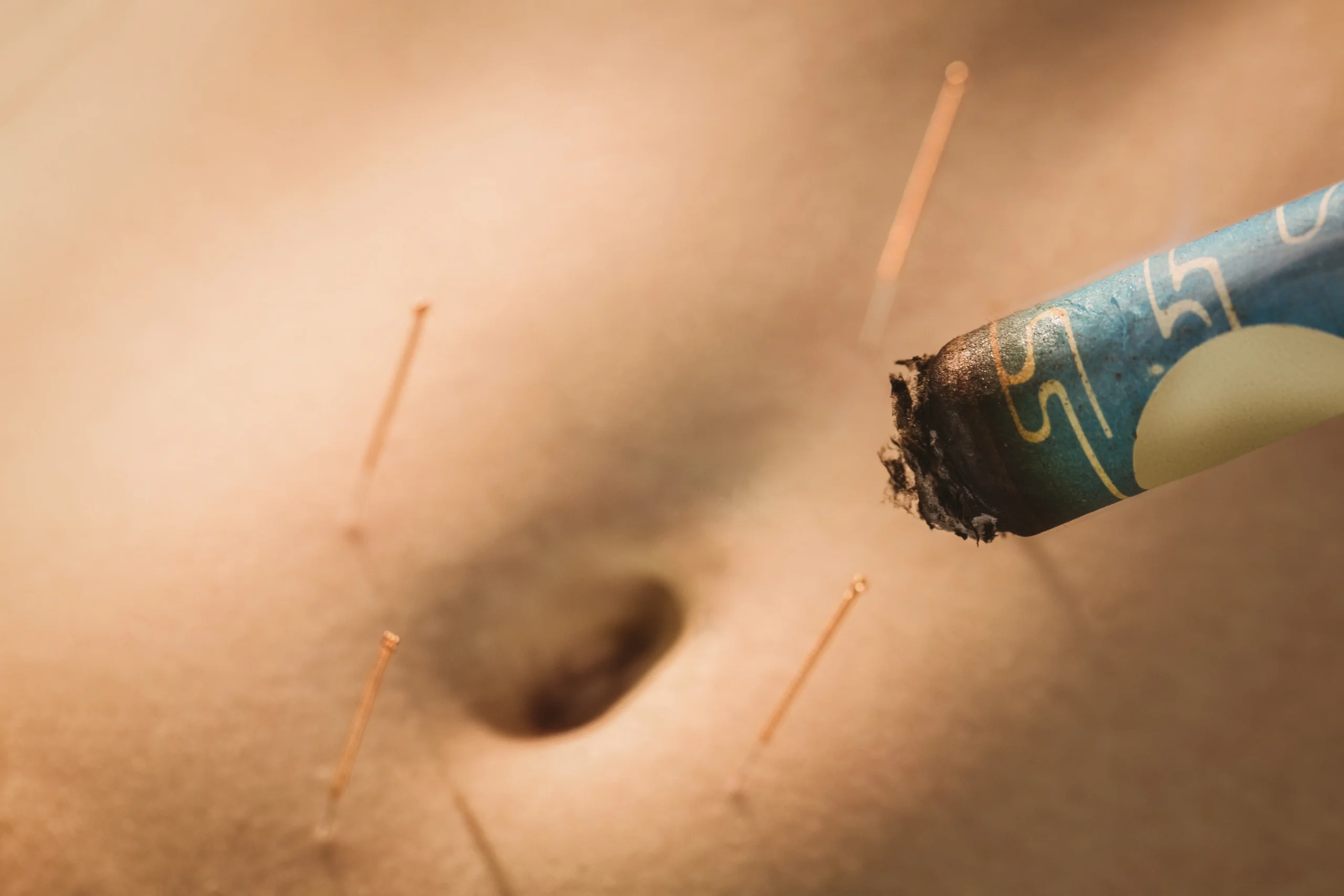
Moxibustion is used to support a range of health concerns, including:
- Musculoskeletal conditions: chronic pain, joint stiffness, and muscle tension.
- Digestive and gastrointestinal support: bloating, poor appetite, and functional digestive disorders.
- Women’s health: menstrual irregularities, dysmenorrhea, and support for breech pregnancy (in specific protocols).
- Respiratory conditions: chronic cough, asthma, and susceptibility to colds.
- General wellness: fatigue, weak immunity, and Qi deficiency.
Clinical outcomes vary between individuals. Moxibustion should only be performed by a qualified practitioner to ensure safety and efficacy.
What to Expect During a Session
Technique
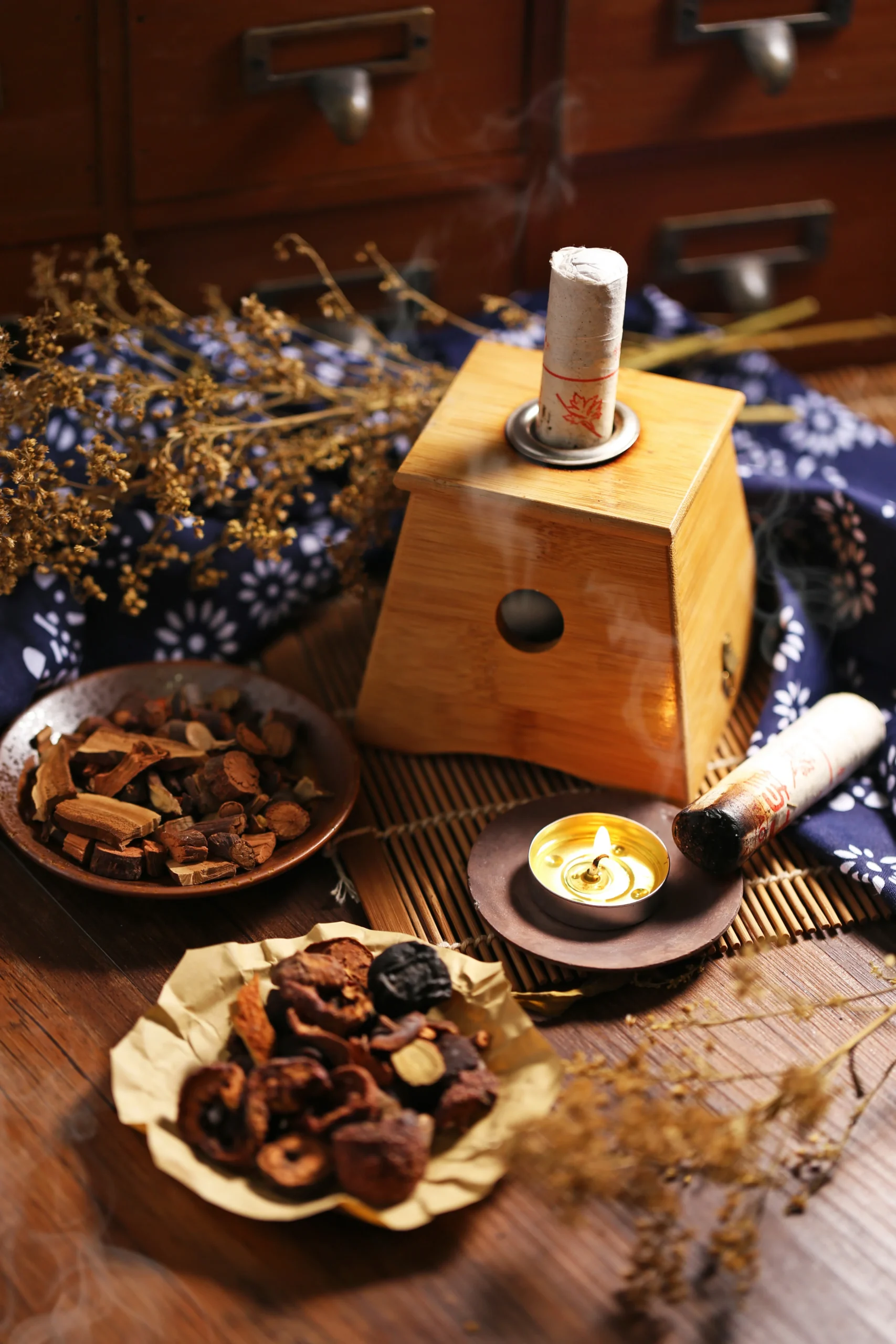
Dried mugwort (moxa) may be burned near or on acupuncture points, either directly or indirectly, depending on the treatment protocol. Indirect moxibustion methods are commonly used for safety and patient comfort.
Sensation
Patients typically feel a gentle warming sensation that penetrates deeply into the tissues. The warmth is generally relaxing and may reduce tension or stiffness.
Duration
Sessions typically last 20–40 minutes, depending on the area treated and the clinical objective.
Safety Considerations
-
Moxibustion should always be performed by a trained practitioner to prevent burns or excessive heat exposure.
-
Indirect methods (using moxa sticks, cones, or boxes) are preferred for most patients to maintain safety while delivering therapeutic warmth.
-
Special care is taken for patients with respiratory sensitivity, skin conditions, or heat intolerance.
Research and Recognition
- Research indicates that moxibustion may be effective for certain musculoskeletal, digestive, and gynecological conditions, and it is often used in combination with acupuncture for synergistic effects.
- Systematic reviews suggest that, when applied appropriately, moxibustion is safe and well-tolerated.
- Scientific interest continues to explore the mechanisms underlying thermal stimulation, immunomodulation, and circulation enhancement in moxibustion therapy.